
How Discipline + Structured Rewards Help Kids Become More Productive
Published July 25, 2026
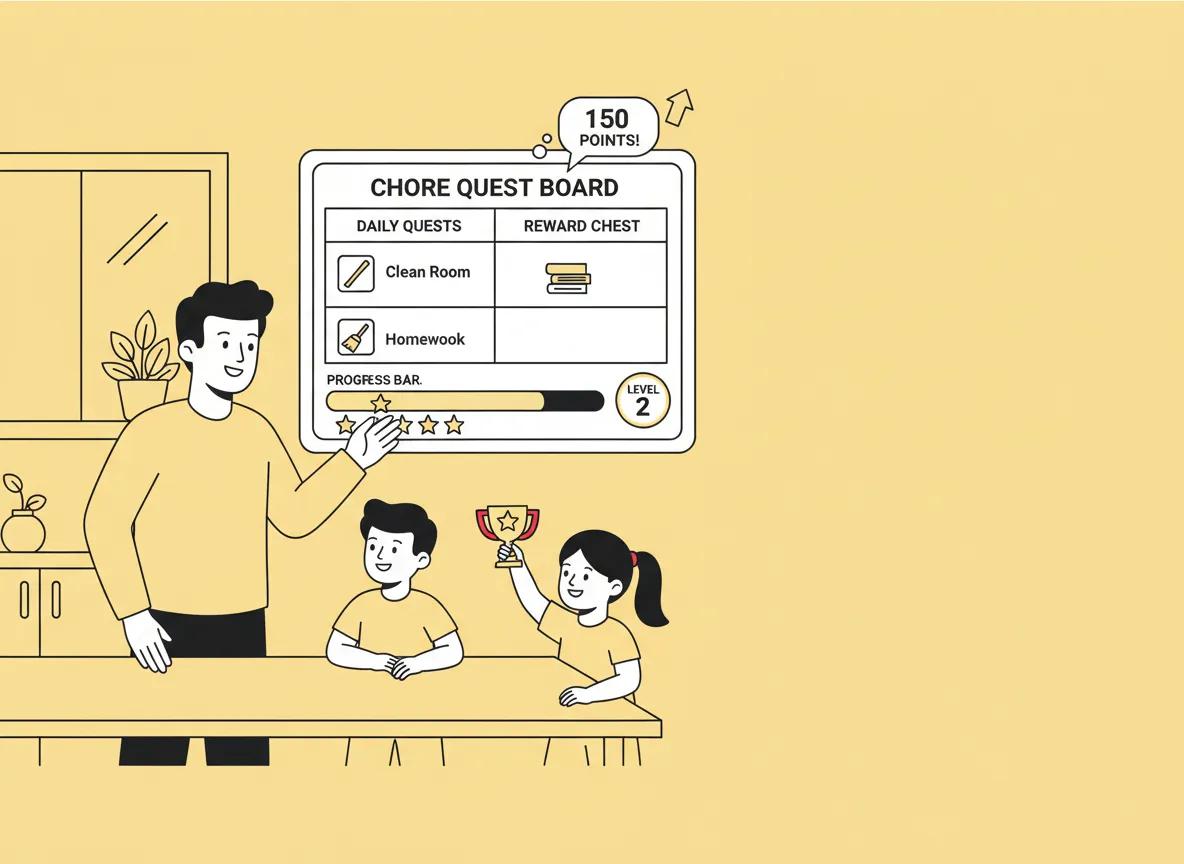
How Discipline + Structured Rewards Help Kids Become More Productive
Parents don’t need another lecture about “kids these days.” You need a plan that works on a Tuesday night when everyone’s tired and the homework still isn’t done.
At Outperformed, we believe productivity for kids isn’t about pressure—it’s about discipline (simple routines they can follow) and structured rewards (clear, consistent incentives that make effort feel worth it). When those two pieces work together, kids stop relying on reminders and start building the habit of doing what needs to be done.
Why discipline matters (and what it really means for kids)
Discipline gets a bad reputation because it sounds like punishment. But for kids, discipline is simply:
Knowing what’s expected
Having a repeatable routine
Doing the task even when motivation is low
Motivation is unreliable. Discipline is a system.
When kids have structure, they spend less mental energy negotiating (“Do I have to?” “Can I do it later?”) and more energy executing. That’s the real productivity win: fewer decisions, fewer arguments, more follow-through.
Why rewards work (when they’re structured)
Rewards aren’t bribery when they’re predictable and tied to effort.
A structured reward system helps kids connect three things:
Action (I do the task)
Progress (I earn points / level up)
Outcome (I unlock a reward I care about)
That connection is powerful because it makes responsibility feel measurable. Instead of “Mom is mad again,” the feedback becomes “I’m 10 points away from my next level.”
The key: rewards must be consistent
If rewards show up randomly—or only when parents remember—kids learn that effort isn’t reliable. But when rewards are consistent, kids learn that they can rely on their own actions.
Discipline + rewards: the combo that builds real productivity
Discipline without rewards can feel like endless work.
Rewards without discipline can turn into constant bargaining.
But together?
Discipline creates the routine.
Rewards create the momentum.
Momentum creates the habit.
That’s when kids start doing tasks without being chased, because the system is clear and the progress is visible.
A simple framework you can start this week
You don’t need a massive overhaul. Start small and make it repeatable.
Step 1: Pick 3 “non-negotiable” responsibilities
Choose three tasks that matter most for your household, such as:
Put backpack and shoes away
15 minutes of reading
Clear your plate and wipe the table
Keep it age-appropriate and specific.
Step 2: Define what “done” means
Kids do better when success is clear.
Instead of “clean your room,” try:
Clothes in hamper
Toys in bin
Bed made
Step 3: Assign points based on effort
Not every task should be worth the same.
Small tasks: 5 points
Medium tasks: 10 points
Bigger tasks: 15–20 points
This teaches prioritization and effort management—two real productivity skills.
Step 4: Create a reward ladder (not a single prize)
A ladder keeps kids engaged because there’s always a next step.
Examples:
50 points: choose dessert
100 points: pick the family movie
200 points: extra screen time on Saturday
400 points: small toy / activity
The goal isn’t to “buy” behavior. It’s to make progress visible and meaningful.
Step 5: Review progress daily (2 minutes)
A quick check-in beats a long lecture.
What did you complete?
What’s your point total now?
What are you working toward?
This builds reflection and self-management—skills that matter far beyond chores.
What to avoid (so the system doesn’t fall apart)
A few common pitfalls can make even a good plan feel frustrating:
Changing rewards constantly (kids stop trusting the system)
Making tasks too vague (kids don’t know how to win)
Using rewards as threats (it becomes fear-based, not growth-based)
Trying to track everything (start with a few key habits)
Keep it simple. Consistency beats complexity.
How Outperformed makes this easier
Outperformed turns responsibilities into a clear, gamified system kids actually want to participate in.
Points-based tasks and progress tracking
Smart scheduling that reduces daily decision fatigue
Multi-child support with individual profiles
Offline-capable progressive web app (so routines don’t break when Wi‑Fi does)
Most importantly, it helps kids see that discipline isn’t a punishment—it’s a path to independence.
The takeaway
Kids become more productive when they don’t have to rely on mood or reminders.
Discipline gives them a repeatable structure.
Structured rewards give them a reason to stay engaged long enough for the habit to stick.
If you want fewer arguments and more follow-through, start with a simple routine, make progress visible, and keep rewards consistent.
Ready to turn chores into progress your kids can see? Try Outperformed and build a system your family can actually stick with.